
Waste type
Food and
organics waste
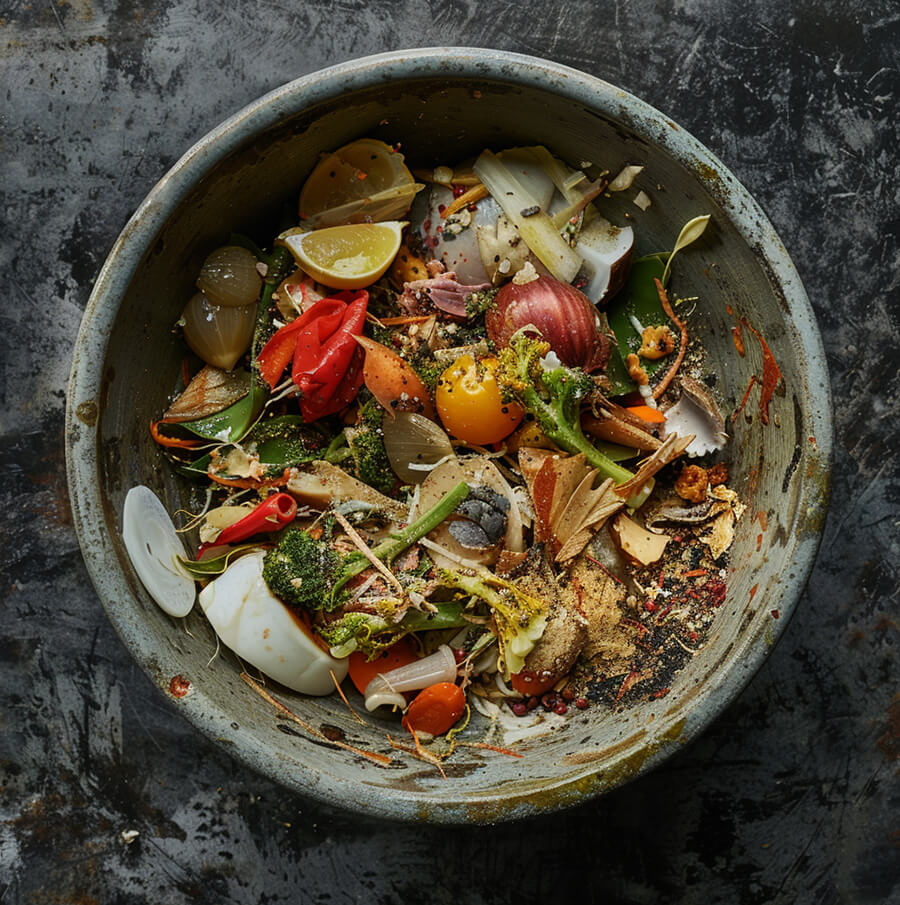
Resource enviro works with many business trying to reduce and reuse their food waste or find more sustainable methods for disposal.
We work with:
- Restaurants and foodservice operations
- Grocery stores and supermarkets
- Institutional facilities (e.g., schools, hospitals)
- Manufacturing facilities, particularly in the food industry
- Agriculture and farming
Solutions
Management solutions for food and organic waste
After we conduct our initial waste assessment we follow a variety of protocols to help define the plan for your business needs
Source Reduction
The best way to manage waste is not to produce it. Businesses can take steps to reduce the amount of waste they generate by implementing better inventory management, offering unsold yet usable food to food banks, or redistributing to employees or community members. We will help identify these options for you.
Collection and Transportation
Given the perishable nature of food and organics waste, timely and efficient collection systems are critical. We can arrange specialised bins on-site and even separate collection routes to manage these waste streams effectively.
Recycling
It is not uncommon for businesses to find it economically beneficial to divert organic waste, and potentially monetise it into other materials (e.g., selling compost). Organic wastes, such as used cooking oil, can also be recycled into new products, like biodiesel.
Composting
Composting is a natural process that transforms organic waste into nutrient-rich soil amendments. Commercial-scale composting facilities can handle large quantities of organic waste and produce high-quality compost. We have relationships with many facilities who provide these kind of organic services.
Anaerobic Digestion
This is a biological process where microorganisms break down organic waste in the absence of oxygen. It produces biogas (which can be used for energy) and digestate, a nutrient-rich residue that can be applied to land as a soil conditioner.
Our approach
Creating a plan that works for your business
Resource Environmental Solutions can take a deeper look at your waste food and organic waste streams to create you a customised plan.
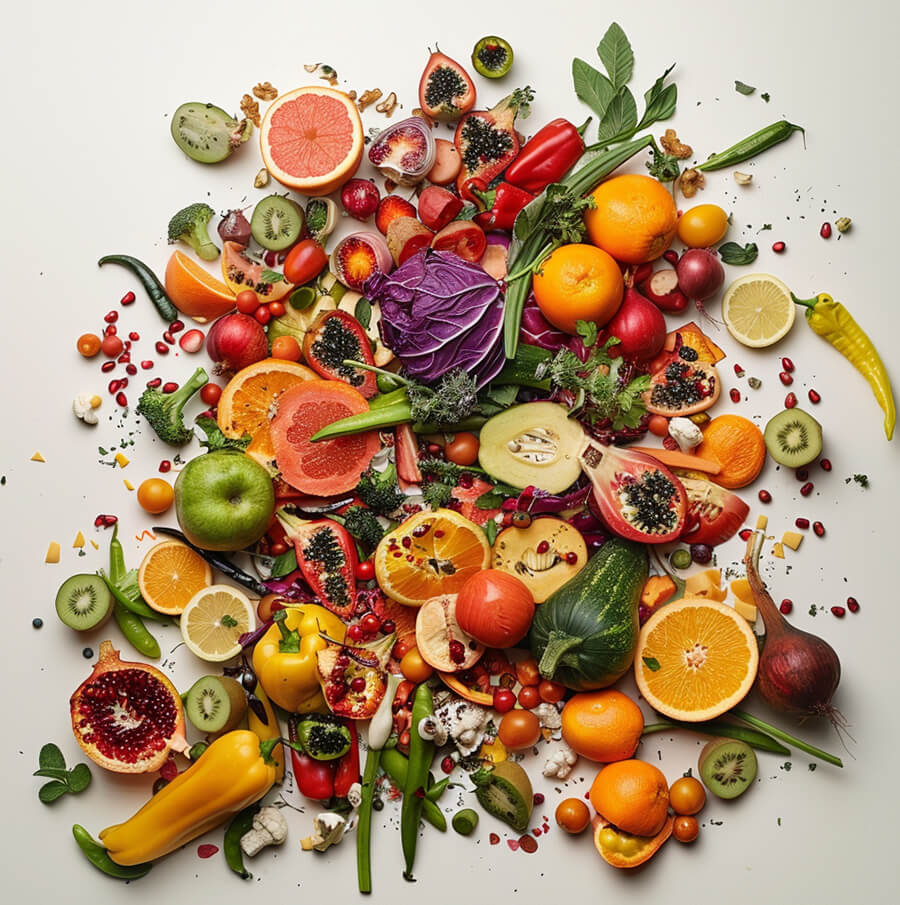
Food and organics waste offers a unique sustainability opportunity due to both the environmental implications of such waste and the opportunities for resource recovery.
With proper management strategies, we can you help you turn your waste liabilities into assets, contributing to more a sustainable and circular economy.
Reporting made easier.
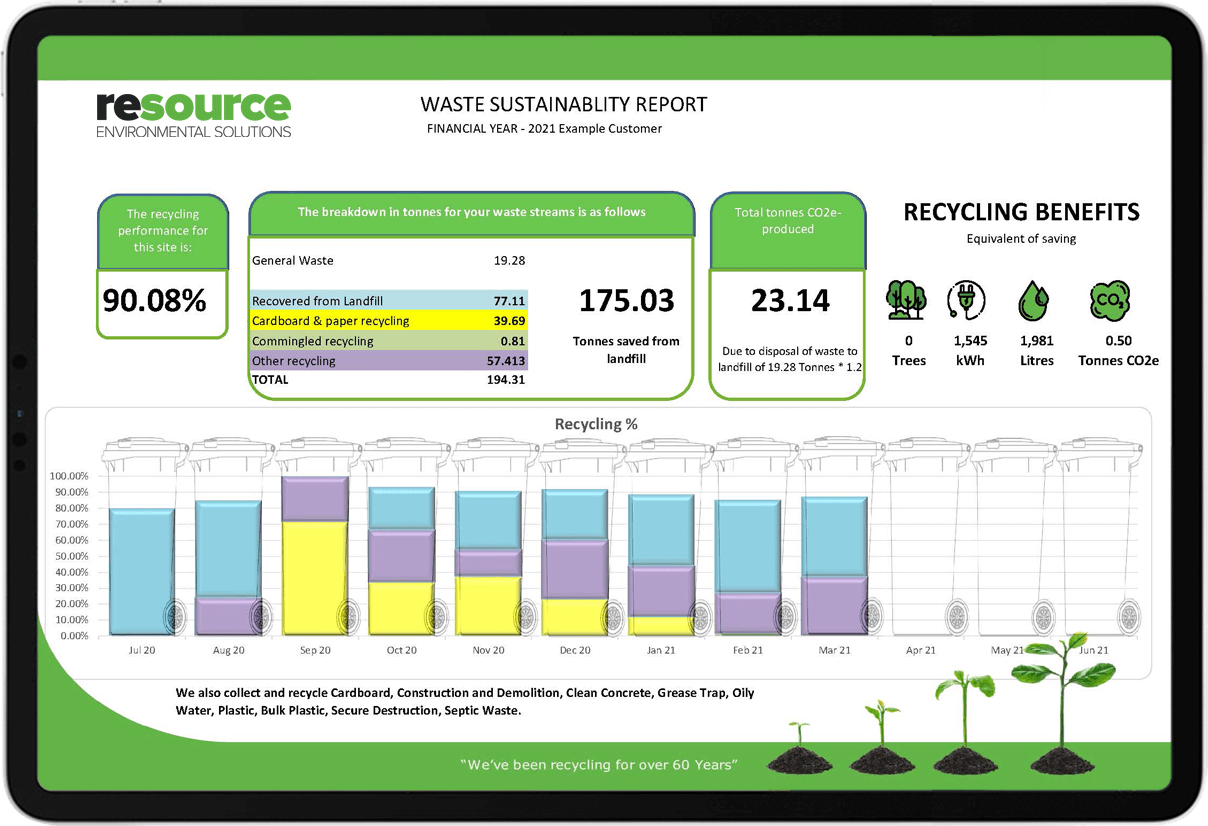
We deliver you one waste report covering all your waste streams and highlighting your decreases in collections and costs, along with the increases in recycling rates – helping you ticks all the ‘green’ boxes.
Food and organic waste management with sustainability in mind
At Resource Environmental Solutions, we can arrange the collection and disposal of all types of food and organic waste anywhere in Australia.
Contact us today to learn more.
Call Centre Office Hours
Monday – Friday (9am – 5pm)