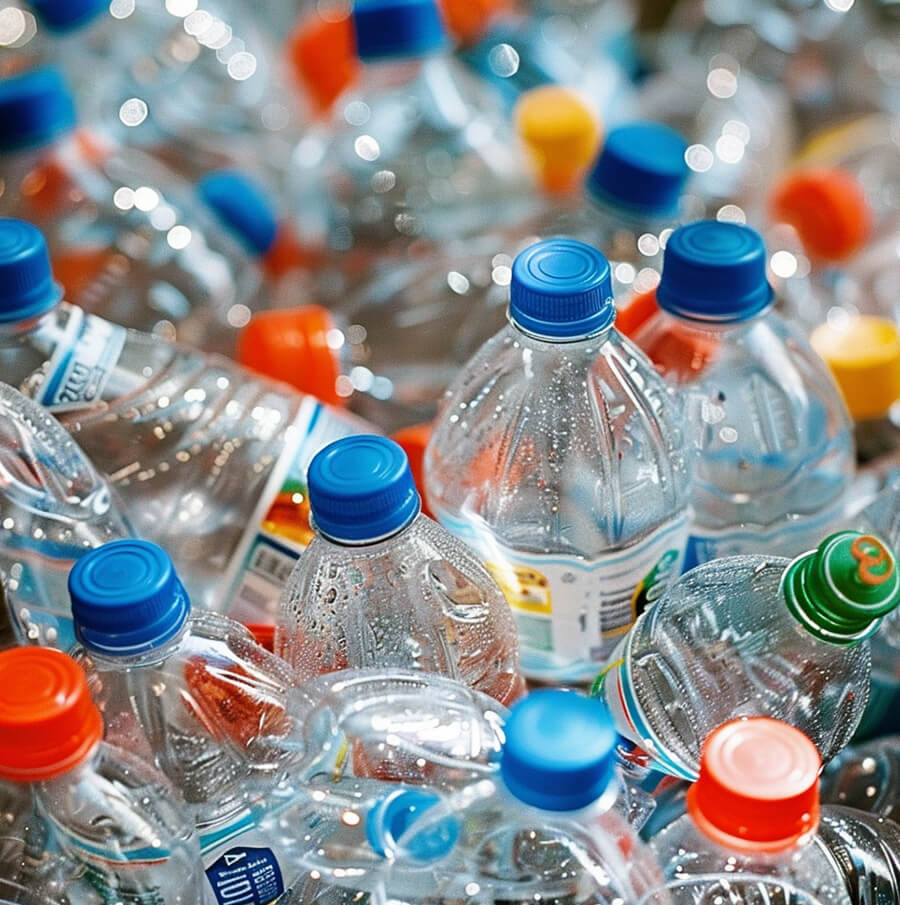
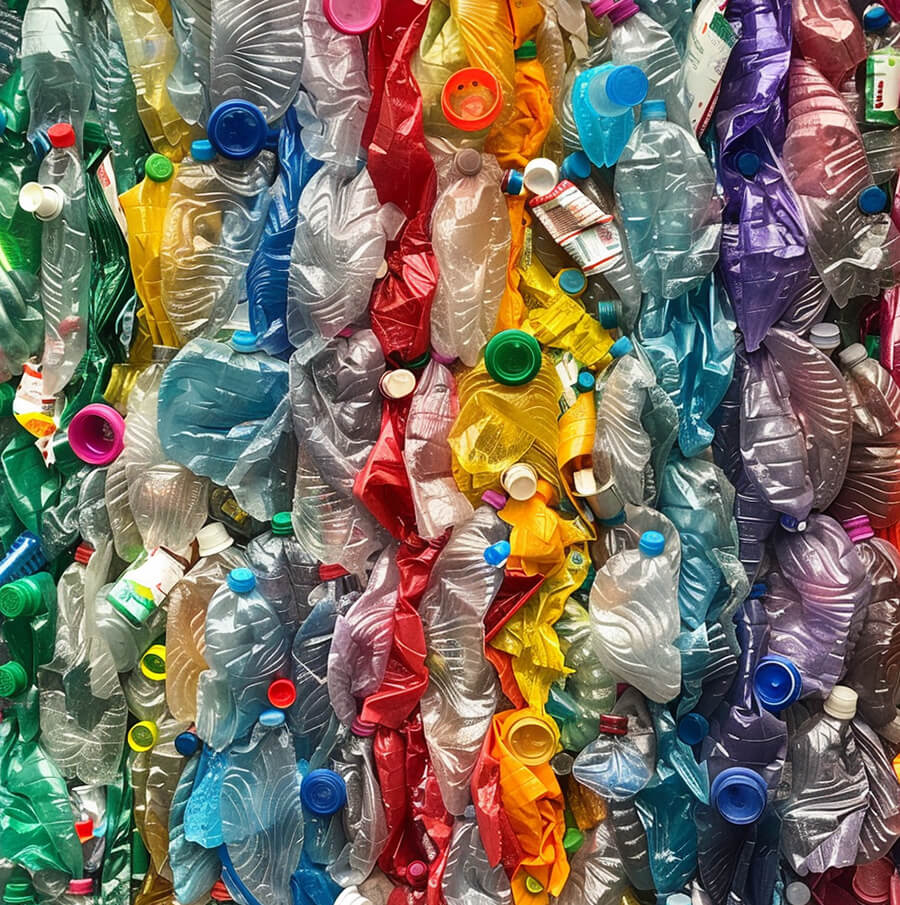
Plastics and packaging waste play a significant role in commercial waste management due to their abundance, potential environmental impact, and the complexities of their recycling processes.
We work with:
A number of businesses in the hospitality, manufacturing and building sectors to find new and innovative solutions to reduce their reliance on plastics.
Solutions
Management solutions for plastics and
packaging waste
The environmental impact of plastics is the single driving force behind organisations across Australia trying to reduce their use. We actively search for innovative ways to reduce and reuse plastics for all our clients.
Source Reduction
At Resource Environmental Solutions our first thought is always source reduction. We work with clients to prioritise reducing plastic usage, like selecting alternative packaging materials or employing reusable solutions. When this is done we will negotiate with companies to get you the most efficient and environmentally friendly way to dispose of your waste.
Recycling
We can arrange recycling collections and sorting by plastic type. Disposal can be defined by whether your waste is reusable or single-use.
The recycling process of re-melting and reforming into new products is the most desired outcome however some plastic waste or plastics that are difficult to recycle like this.
Landfill
Historically, many plastics have ended up in landfills, though Resource Enviro works with companies to increase efforts and minimise this due to the long decomposition time and waste of resources.
Our approach
Help you turn the tide on plastics
When it comes to plastics, In many cases it is more economical to recycle. We can help you segregate at source and improve your overall recycling efficiency.
At Resource Environmental, we’ve pledged to help save the planet from plastics and turn the tide on plastics littering Australia’s oceans and beaches. We’ll do whatever we can to help you achieve this too.
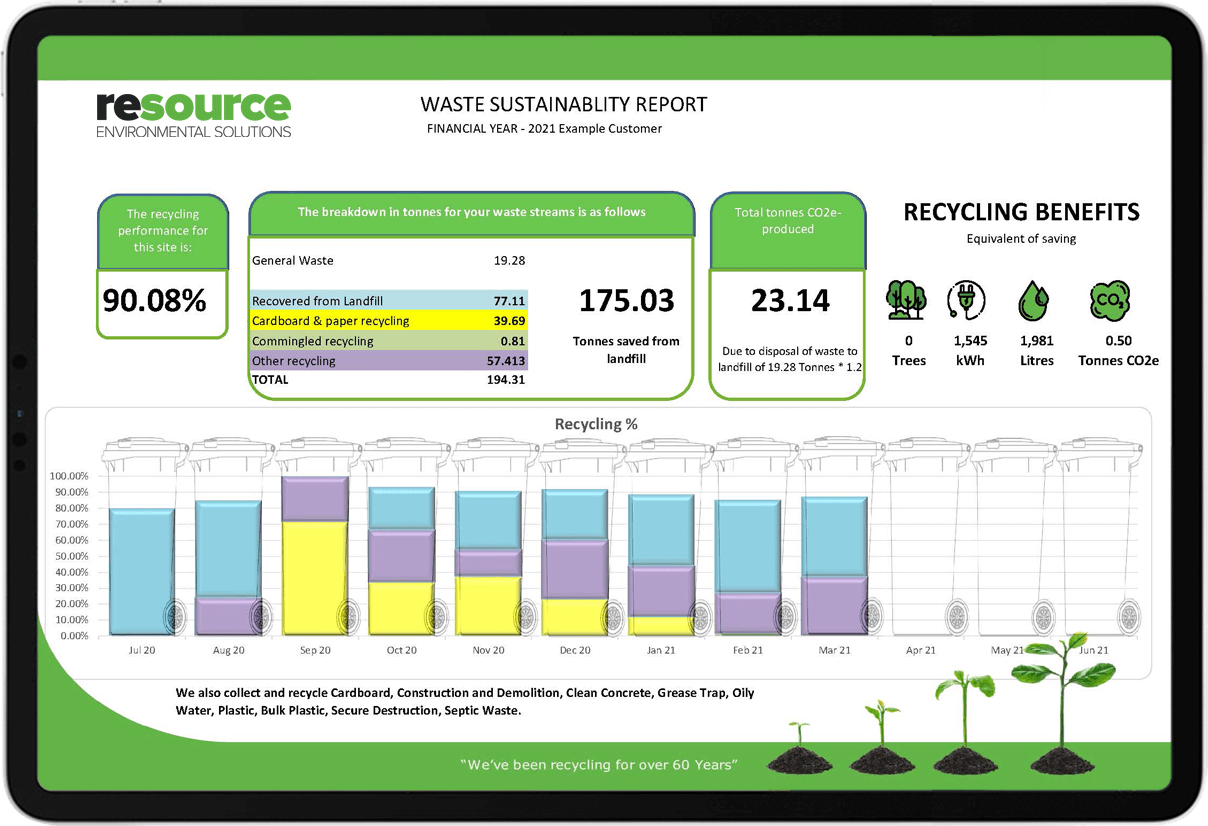
We deliver you one waste report covering all your waste streams and highlighting your decreases in collections and costs, along with the increases in recycling rates – helping you ticks all the ‘green’ boxes.
Food and organic waste management with sustainability in mind
At Resource Environmental Solutions, we can arrange the collection and disposal of all types of plastics and packaging anywhere in Australia.